
Time Management Tips for Remote Workers
(Proven Tactics That Actually Work in 2026)
Remote work promised freedom. Instead, many knowledge workers feel constantly busy, always online, and mentally tired by the end of the day.
If you are ambitious and serious about growth, you do not just need productivity hacks. You need systems.
These time management tips for remote workers are built for professionals who want structured control over their time, focus, and energy. Not hustle culture. Not rigid morning routines. Just practical systems that work in real remote environments where Slack never stops, meetings multiply, and home life blends into work.
Time management in 2026 is not about squeezing more hours. It is about managing attention, energy, and cognitive load.

Let us break it down properly.
Why Remote Work Breaks Traditional Time Management
Before jumping into tactics, understand the core problem.
Remote work changes three major variables:
Asynchronous communication overload
Blurred work life boundaries
Digital distraction built into your tools
You are not just managing tasks. You are managing notifications, context switching, invisible expectations, and home interruptions.
That is why generic advice fails. You need remote work time management strategies designed for how remote environments actually operate.
Design Your Day Around Energy, Not Clock Time

Most people plan their day based on time slots. Few plan based on mental energy.
Your brain has roughly two to four peak focus hours per day. That is where your highest value output should happen.
Instead of filling your calendar evenly, identify:
High focus window
Medium focus window
Low energy window
Then assign work accordingly.
High focus window should include strategy, writing, problem solving, and creative work.
Medium focus window fits meetings, collaboration, and reviews.
Low energy window is better for admin tasks, email cleanup, and documentation.
This is one of the best remote work time management methods because it aligns with how your brain works. Decision fatigue increases as the day moves forward. Protecting peak focus improves output without increasing work hours.
The common mistake is scheduling deep work randomly. Protect it like a client meeting.
Use Flexible Time Blocking, Not Overplanned Calendars

Time blocking and prioritization for remote work is powerful, but overplanning creates stress.
Instead of planning every 30 minutes, create three core blocks:
Deep work block
Collaboration block
Admin block
Add buffer time between them. Remote environments are unpredictable. If your schedule is packed tightly, one unexpected message disrupts everything.
A more sustainable way to manage time effectively when working remotely looks like this:
Morning for 90 to 120 minutes of deep work.
Midday for meetings and collaboration.
Afternoon for admin and lighter tasks.
End of day for a short shutdown routine.
This reduces context switching. Fewer transitions mean stronger focus.
Control Communication Instead of Reacting to It
Most remote workers lose hours reacting to messages.
You cannot eliminate communication, but you can batch it.
Check Slack or Teams at fixed times instead of constantly. Turn off non critical notifications. Communicate your response windows clearly.
Setting expectations clearly improves both professional and personal dynamics. These communication tips for healthy relationships also apply strongly in remote team environments where clarity prevents friction
For example, tell your team you check messages at specific times and that urgent matters require a call.
This approach builds effective remote work routines for productivity. It trains others how to interact with you.
The trade off is that you may not respond instantly. But clarity builds respect. Constant availability destroys focus.
These are practical productivity tips for remote work that directly protect attention.
Build a Simple Task Operating System
If your task list lives in your head, you will feel overwhelmed.
Use one master task manager. If you are unsure which systems or apps actually support structured planning, explore these top productivity tools to use to build a cleaner and more reliable workflow.
Maintain a weekly priority list. Each day, choose only three high impact tasks.
Not ten. Just three.
Limiting choices reduces cognitive overload. The brain performs better when the next action is clear.
A strong remote worker scheduling and planning tip is running a weekly review every Friday. Review what was completed, carry forward what matters, and define next week’s deep work priorities.
This prevents Monday confusion and scattered focus.
Create Real Work Boundaries
When home becomes office, the brain loses context signals.
Create physical and mental boundaries.
Use a specific desk only for work. Use headphones as a focus trigger. Keep a separate browser profile for work tools.
More importantly, create work boundaries for remote workers by defining a start time and stop time. Set a communication cut off.
Without a shutdown, many remote workers stay mentally half online all evening. That kills long term energy.
The brain needs detachment to recover. Recovery drives tomorrow’s performance.
Reduce Digital Noise Aggressively
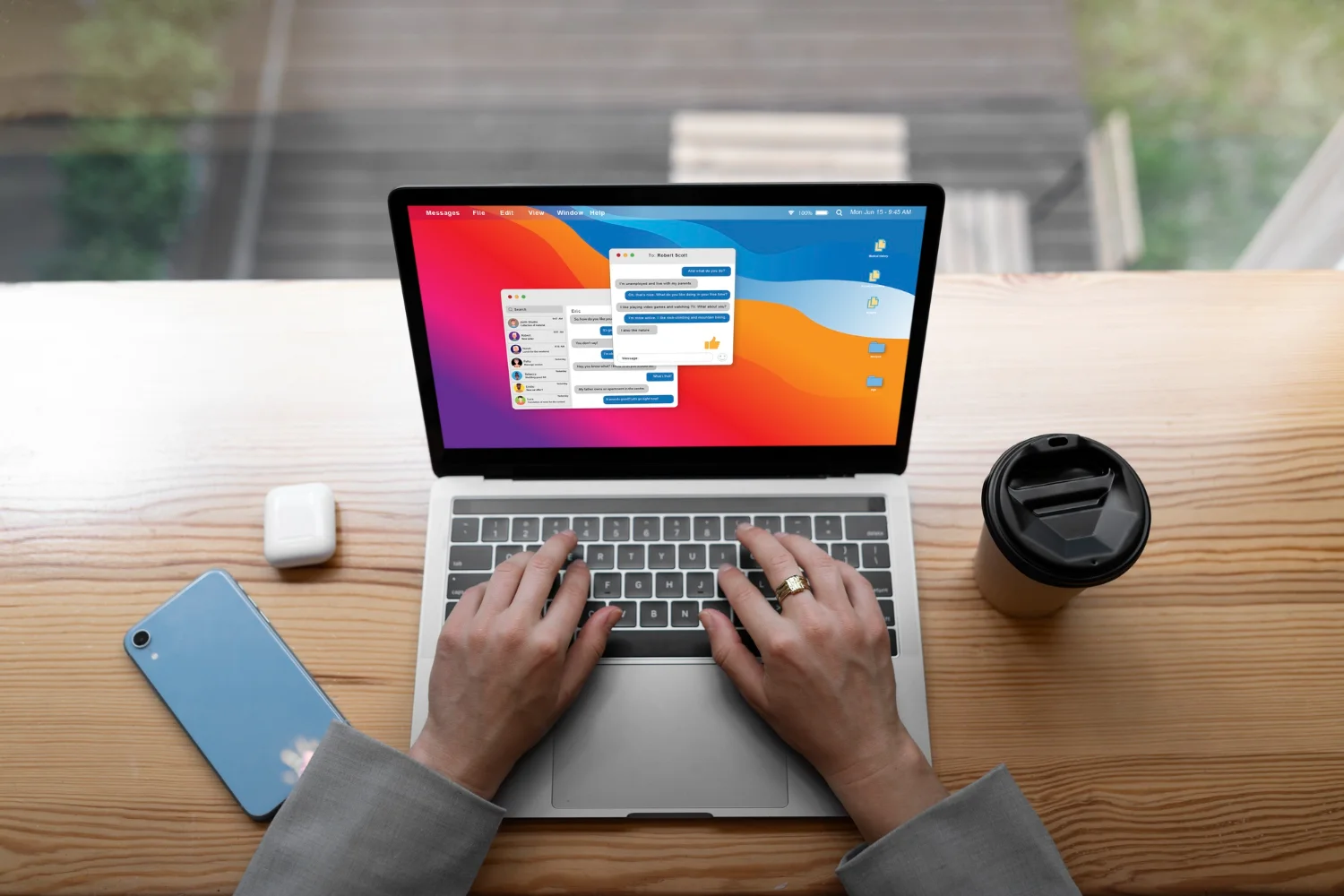
Digital clutter quietly destroys focus.
The same principle applies to your physical environment. These minimalism for small spaces tips to simplify life can help create a cleaner workspace that supports mental clarity.
Audit your tools. Leave unnecessary Slack channels. Decline meetings without clear agendas. Turn off alerts that do not require immediate action.
To eliminate distractions while working from home, use website blockers during deep work. Keep your phone out of reach. Close unused browser tabs.
Every open tab creates attention residue. Small reductions create measurable gains.
Work Smarter in Asynchronous Environments
Remote teams rely on async communication. But many workers still operate as if they are in a physical office.
Instead of back and forth messaging, send structured updates. Provide context. Anticipate likely questions.
Clear writing reduces meeting time. It reduces repeated clarifications.
This is one of the most practical proven time management techniques for remote workers. Fewer communication cycles mean more focused output.
Protect Deep Work as a Core Asset

Deep work generates real results. Yet it is often treated as flexible.
To structure your remote work day for productivity, set non negotiable rules:
No meetings during deep work.
Notifications off.
Clear outcome defined before starting.
Do not just block time. Define the output. For example, complete draft of section one to three, not just work on report.
Clarity prevents shallow multitasking.
Use the Eighty Percent Rule
Perfectionism wastes time, especially in remote settings where visibility is limited.
Ask yourself whether the task is eighty percent ready and usable. If yes, ship it and improve later.
This supports remote work focus and productivity tips centered around output instead of endless polishing.
Not every task fits this rule. Compliance or legal work may require precision. But many tasks do not.
Build Daily Remote Work Time Management Habits

Consistency matters more than intensity.
If you find yourself losing momentum midweek, these daily motivation techniques to stay productive can help you rebuild focus without relying on pressure.
Strong daily remote work time management habits include reviewing your top three priorities each morning and protecting your first deep work block.
Midday, take a short walk or movement break. Physical resets improve cognitive performance.
At the end of the day, write tomorrow’s top three tasks. Clear your desk. Close work apps.
This shutdown ritual prevents mental carryover into the evening.
Track Time for Awareness
Time tracking is not about control. It is about insight.
Track for one week:
- Deep work hours
- Meeting hours
- Communication time
- Admin time
Many remote professionals discover that true focused work is far lower than expected.
Data allows you to refine your remote work time management strategies realistically.
Prioritize Sustainability Over Intensity
Ambitious remote workers often push too hard.
Strong time management tips for telecommuters include planning recovery. Schedule lighter days after heavy project days. Protect real lunch breaks. Avoid stacking meetings without space.
Energy cycles matter more than total logged hours.
Long term performance is built on mindset shifts, not hacks. Some of these books that will transform your thinking can completely change how you approach focus, discipline, and work intensity
Without recovery, productivity becomes unstable.
Focus on Output, Not Activity
Tasks do not equal results.
Instead of writing vague tasks like work on proposal, define measurable output such as complete draft of proposal introduction.
This shift answers how to manage time effectively when working remotely in a practical way. Output focus eliminates busy work.
Accept Trade Offs
There is no perfect system.
If you protect deep focus, response speed decreases.
If you prioritize rapid communication, deep work shrinks.
Choose based on role and goals.
Senior strategic roles require protected focus. Client heavy roles require structured availability.
Conscious trade offs create aligned systems.
If you struggle with protecting your focus or saying no to unnecessary meetings, building internal confidence is essential. These confidence building habits that work fast can help you make stronger professional decisions without guilt.
Conclusion
Effective time management tips for remote workers are not about waking up earlier or working longer.
They are about protecting attention, managing energy, reducing digital noise, and creating clear boundaries.
Remote work gives flexibility. But without structure, flexibility turns into constant busyness.
When you treat attention as a limited resource and design your day around output and recovery, productivity becomes controlled instead of reactive.
Build systems. Test them. Adjust them.
That is how ambitious remote professionals sustain high performance without burnout.
FAQs
1. What are the best time management tips for remote workers in 2026?
The best time management tips for remote workers focus on energy management, structured deep work blocks, controlled communication windows, and clear work boundaries. Instead of filling every hour, remote professionals should protect high-focus periods, batch meetings, and reduce digital distractions to improve sustainable output.
2. How can I manage time effectively when working remotely?
To manage time effectively when working remotely, design your day around energy levels rather than clock time. Use flexible time blocking, define three daily priority tasks, batch communication, and run weekly reviews. Clear output goals reduce busy work and improve focus.
3. What are proven time management techniques for remote workers?
Proven time management techniques for remote workers include deep work scheduling, asynchronous communication discipline, task batching, digital tool audits, and structured shutdown rituals. These methods reduce context switching and protect attention, which is the core driver of productivity.
4. How do remote workers eliminate distractions while working from home?
To eliminate distractions while working from home, remote workers should turn off non-essential notifications, leave unnecessary chat channels, use website blockers during focus sessions, and create a dedicated work environment. Reducing digital clutter directly improves cognitive performance.
5. How can I structure my remote work day for productivity?
To structure your remote work day for productivity, divide it into three zones: deep work in the morning, collaboration in the middle of the day, and admin tasks in the afternoon. End with a shutdown routine to protect work-life boundaries and prevent mental fatigue.
6. Why is energy management more important than time management in remote work?
Energy management is more important because remote work increases cognitive load through constant digital interaction. Protecting peak focus hours, planning recovery time, and avoiding excessive context switching ensures consistent high-quality output without burnout.


Leave a Reply
You must be logged in to post a comment.