

Auto Repair Guide: Common Car Problems and How to Fix Them
Cars are reliable machines, but even well maintained vehicles develop problems over time. For many drivers, the biggest challenge is not knowing what a problem means or whether it requires a mechanic right away.
This auto repair guide common car problems and how to fix them is written for everyday drivers who want to understand their vehicle better. You do not need to be a professional mechanic to identify basic issues. In fact, learning simple diagnostic habits can help you avoid unnecessary repair costs.
Many automotive bloggers and YouTube educators even share repair tutorials online, and understanding how content creators make money online shows how practical knowledge like vehicle maintenance can become valuable educational content.
Many common car problems and solutions start with small warning signs. For example, unusual noises, dashboard lights, or changes in performance often appear before major damage happens. When you notice these signs early, basic fixes can prevent expensive repairs later.
However, safety always comes first. Some repairs are safe for beginners, while others require professional equipment and training.

Therefore this DIY auto repair guide for beginners focuses only on simple, safe steps that most drivers can handle.
Quick Diagnostic Approach Before Fixing Any Car Problem
Before attempting any repair, it is important to observe the symptoms carefully. A clear diagnosis prevents unnecessary repairs and helps you find the real cause of the issue.
First, pay attention to what your car is telling you.
- Listen for unusual noises such as knocking, grinding, or squealing
- Notice unusual smells like burning rubber or fuel
- Check if the vehicle vibrates while driving
- Look for warning lights on the dashboard
These simple observations are the foundation of a car troubleshooting guide for common issues.
Next, perform a quick visual inspection.
- Check fluid levels including engine oil, coolant, and brake fluid
- Look for loose hoses or damaged belts
- Inspect the battery for corrosion
These car diagnostic tips for beginners often reveal the problem quickly. In addition, they help you decide whether a repair is safe to attempt at home.
However, if you notice smoke, severe engine noise, or major fluid leaks, stop driving immediately. Continuing to drive could cause more damage.
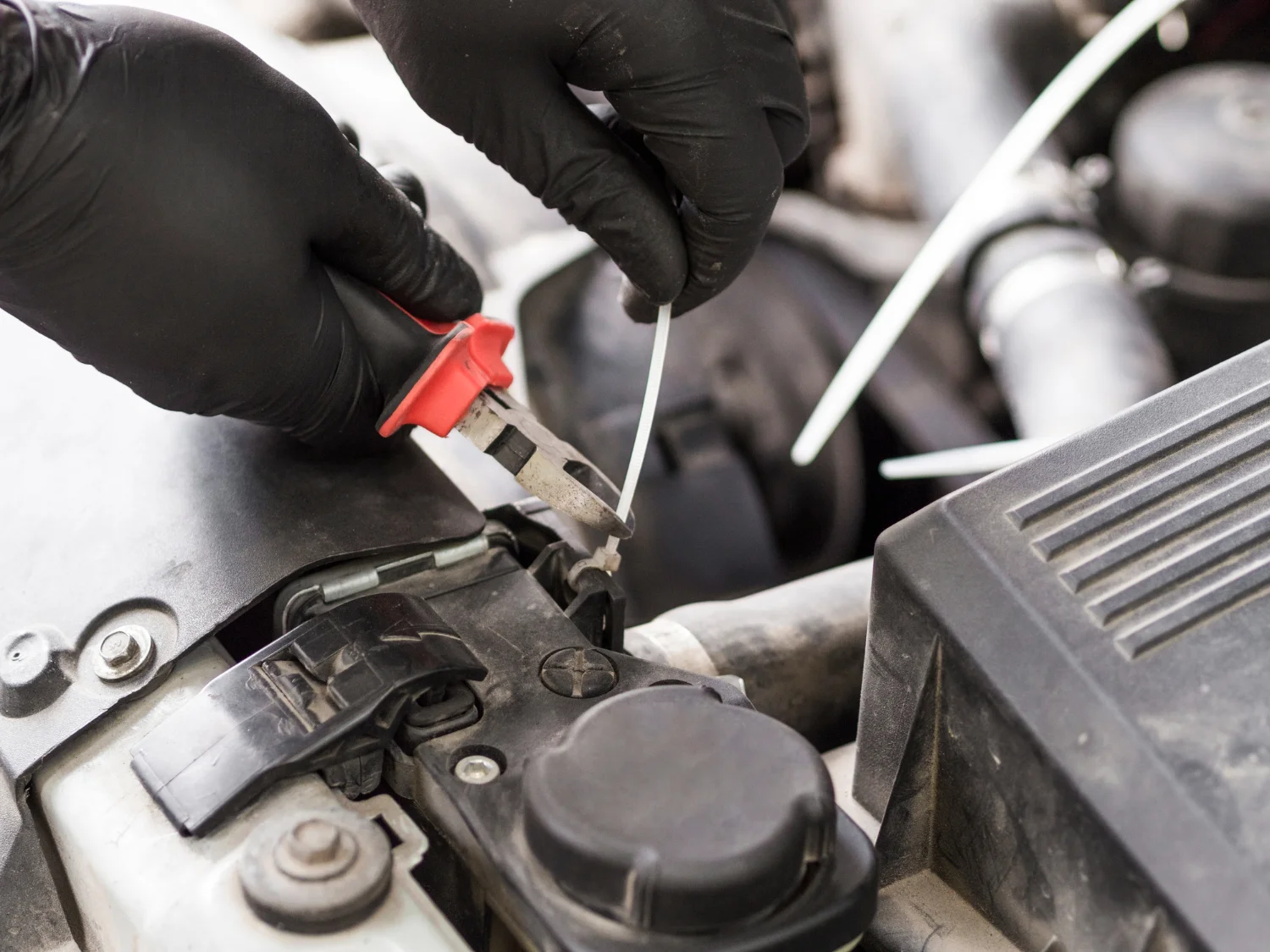
Car Won’t Start
One of the most frustrating situations drivers face is when the car refuses to start.
Common symptoms include
- Engine cranking slowly
- Clicking sound when turning the key
- No electrical power
These are some of the everyday car problems every driver should know.
Possible causes include
- Dead battery
- Corroded battery terminals
- Faulty starter motor
- Empty fuel tank
Fortunately, several easy car repairs you can do yourself may solve the issue.
Step by step guide to fix car problems like this
- First check if dashboard lights turn on
- Then inspect battery terminals for corrosion
- Next try jump starting the battery
- Finally replace the battery if it does not hold charge
These simple steps are a practical part of this auto repair guide common car problems and how to fix them.
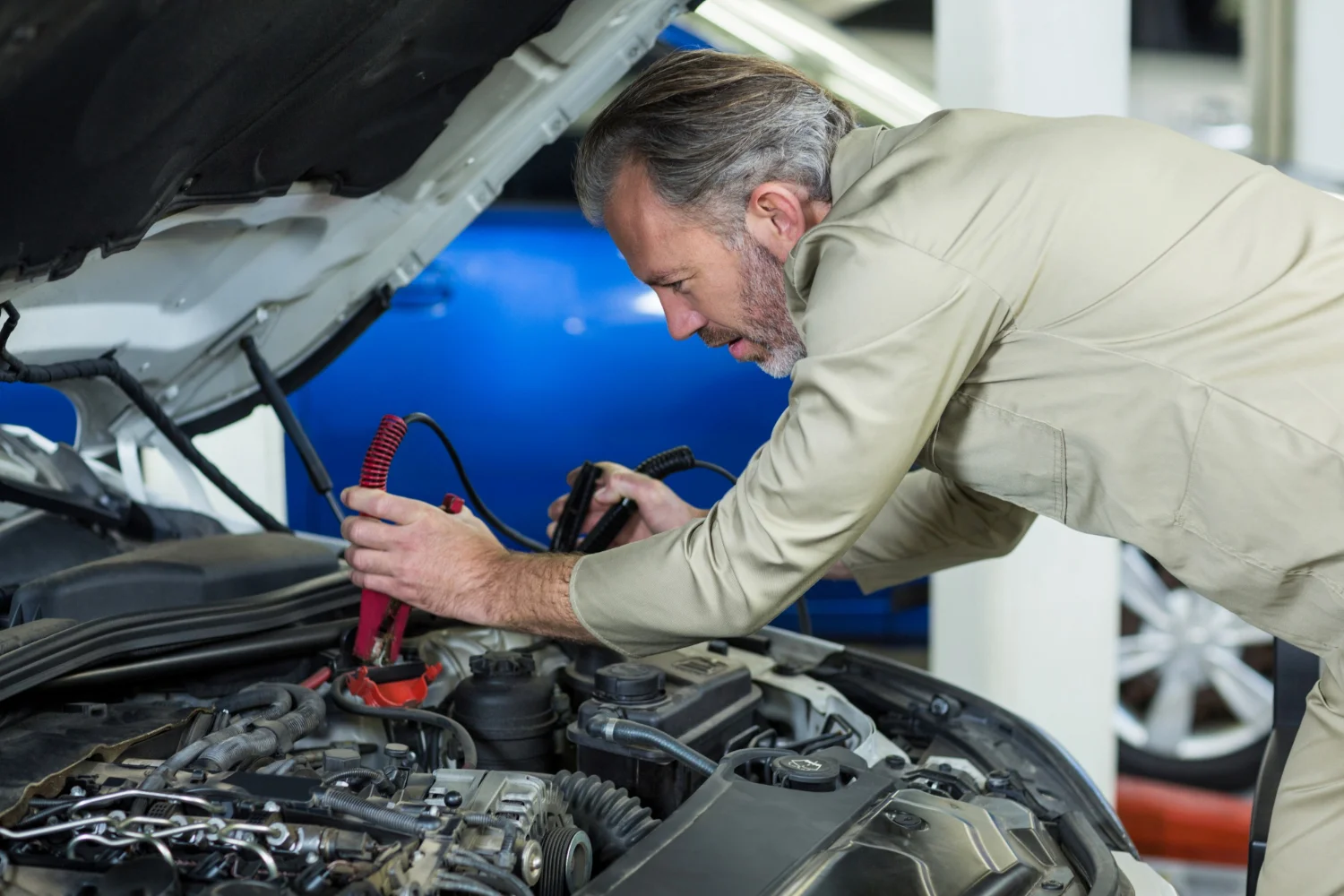
Engine Overheating
Overheating is a serious problem and should never be ignored.
Typical symptoms include
- Temperature gauge rising rapidly
- Steam from the hood
- Coolant warning light appearing
In many cases, overheating happens because the cooling system is not working properly.
Possible causes include
- Low coolant level
- Radiator leak
- Faulty thermostat
- Broken radiator fan
Basic steps you can safely take
- Turn off the engine and allow it to cool
- Then check the coolant reservoir level
- After that inspect radiator hoses for leaks
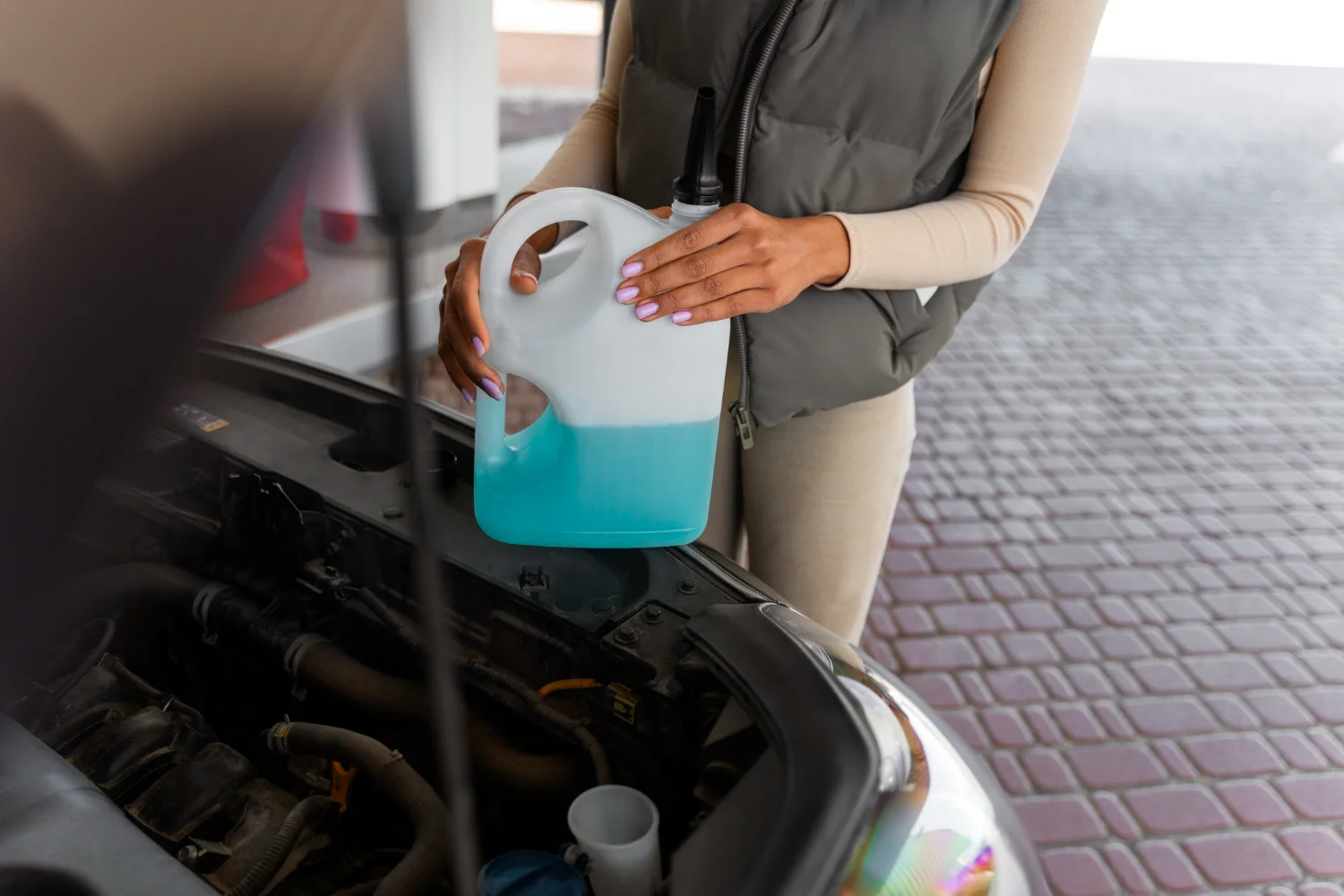
These vehicle maintenance tips to avoid major repairs can prevent engine damage. However, never open the radiator cap while the engine is hot.
Brake Problems
Brake problems should always be taken seriously because they directly affect safety.
Common symptoms include
- Squeaking noise
- Grinding sound
- Car taking longer to stop
- Steering vibration while braking
These issues appear frequently in lists of most common car issues and fixes.
Typical causes include
- Worn brake pads
- Warped brake rotors
- Low brake fluid
Basic checks include
- Checking brake fluid level
- Inspecting brake pads
- Looking for uneven rotor wear
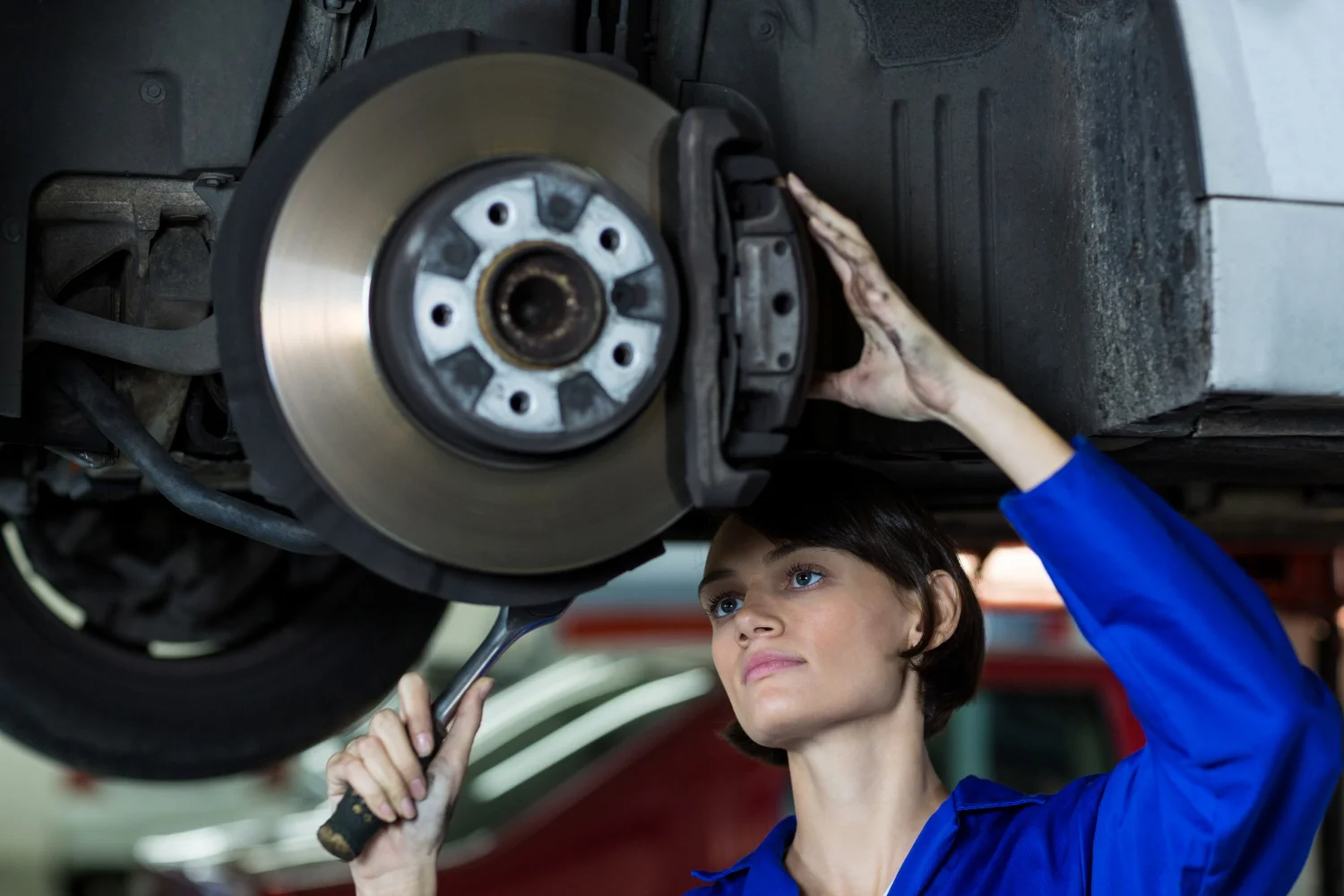
If braking feels unsafe, stop driving immediately and consult a professional mechanic.
Battery Draining Quickly
A battery that frequently dies is another common problem.
Symptoms include
- Frequent jump starts
- Dim headlights
- Electrical system issues
These problems often appear in discussions of common car problems and solutions.
Possible causes include
- Aging battery
- Alternator failure
- Electrical drain from accessories
You can perform several checks.
- Test battery voltage
- Check alternator charging performance
- Disconnect unused electrical devices
These are simple car repair tricks to save money and extend battery life.
Check Engine Light Turning On
The check engine light can appear for many reasons. However, not all of them are serious.
Common causes include
- Loose gas cap
- Faulty oxygen sensor
- Worn spark plugs
- Catalytic converter problems
Start with simple checks.
- First tighten the gas cap
- Then drive the car for a short distance
- If the light stays on, use an OBD scanner
These steps are included in this auto repair guide common car problems and how to fix them because they help drivers identify issues early.
Strange Engine Noises
Strange sounds often signal mechanical problems.
Common sounds include
- Knocking
- Squealing
- Ticking
Possible causes include
- Low engine oil
- Worn belts
- Engine component wear
Start with basic inspection.
- Check engine oil level
- Inspect belts for cracks or looseness
If the noise continues, schedule professional inspection.
Learning how to diagnose car problems at home can help drivers catch issues before they become expensive repairs.
Car Vibrates While Driving
Vibration while driving usually points to tire or suspension issues.
Symptoms include
- Steering wheel shaking
- Vibration at certain speeds
For many daily commuters, maintaining a reliable vehicle is just as important as preparing for the workday itself, which is why some drivers also look for stylish urban outfit ideas for commuters that combine comfort with practicality.
Possible causes include
- Tire imbalance
- Wheel alignment issues
- Worn suspension components
Basic solutions include
- Balancing tires
- Checking tire pressure
- Scheduling wheel alignment
These steps appear frequently in any car troubleshooting guide for common issues.
Poor Fuel Efficiency
If your car suddenly starts consuming more fuel, there may be a maintenance problem.
Symptoms include
- Increased fuel consumption
- Reduced engine performance
Possible causes include
- Dirty air filter
- Incorrect tire pressure
- Worn spark plugs
Basic fixes include
- Replace air filter
- Maintain proper tire pressure
- Replace worn spark plugs
These are practical car maintenance and repair tips for beginners.
Car Pulling to One Side
If your vehicle drifts to one side while driving, steering or tire issues may be the cause.
Symptoms include
- Vehicle drifting while driving
- Uneven steering feel
Possible causes include
- Uneven tire pressure
- Wheel alignment issues
- Brake problems
Fixes may include
- Adjust tire pressure
- Schedule wheel alignment
These problems are included in the auto repair guide common car problems and how to fix them because they affect driving safety.
Preventive Maintenance That Avoids Most Repairs
Preventive maintenance is one of the most valuable lessons in this auto repair guide common car problems and how to fix them.
Regular maintenance prevents major repairs and extends vehicle life.
The same idea applies in digital publishing too, where planning and consistency matter, which is why many bloggers organize their publishing schedules using a structured content calendar for content creators.
Important habits include
- Regular oil changes
- Tire rotation
- Brake inspection
- Checking fluid levels
- Battery maintenance
These vehicle maintenance tips to avoid major repairs keep your vehicle reliable.
Essential DIY Auto Repair Tools
Basic repairs require simple tools.
Interestingly, the same principle applies in digital work as well, where creators rely on structured systems and tools just like mechanics do, which is why many professionals explore the best content creation tools marketers use to produce educational guides and tutorials.
Useful tools include
- Socket wrench set
- Car jack and jack stands
- Tire pressure gauge
- Jumper cables
- OBD diagnostic scanner
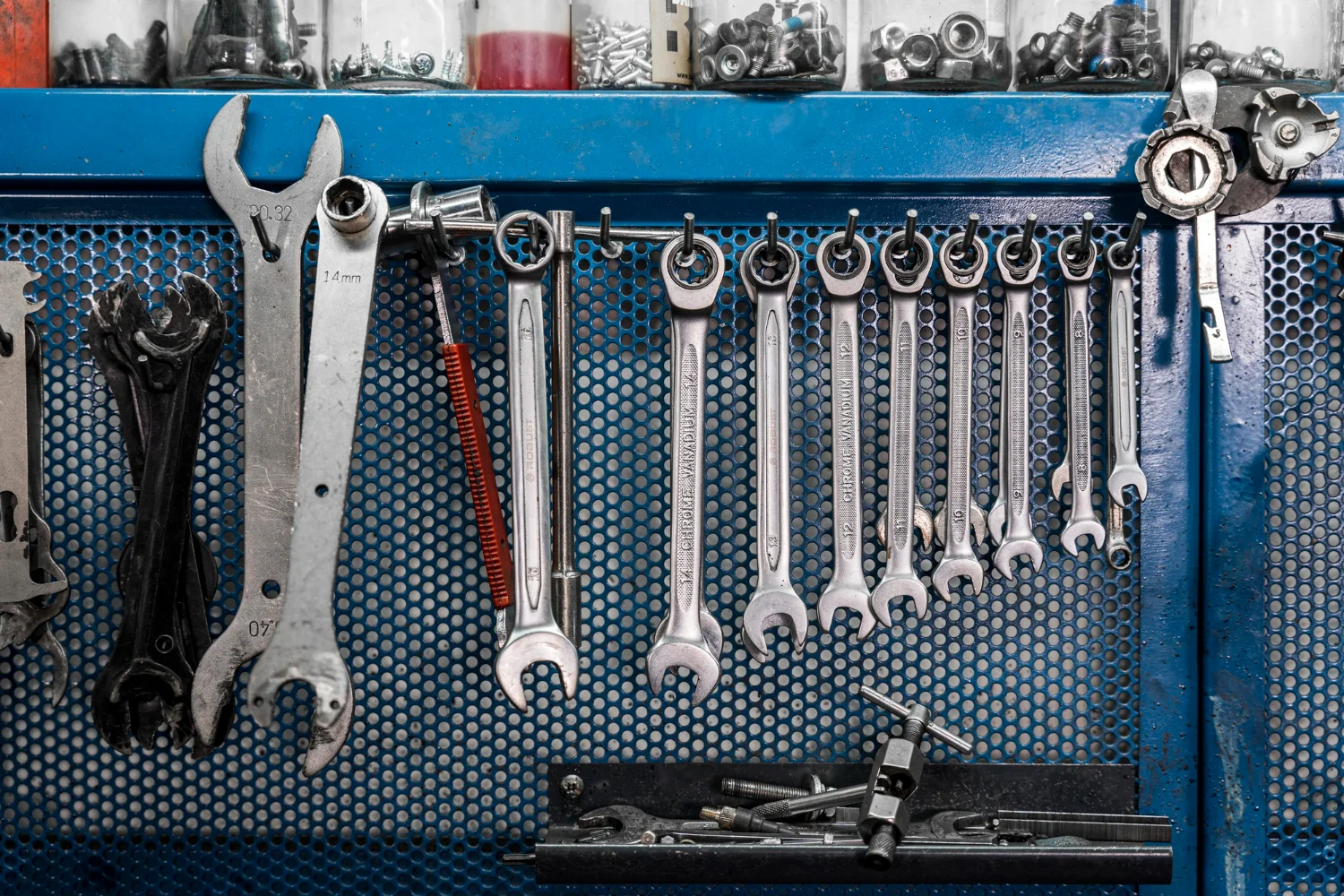
These tools make a DIY auto repair guide for beginners practical and safe.
When a Problem Requires a Professional Mechanic
Some issues should always be handled by professionals.
Examples include
- Transmission problems
- Persistent engine warning lights
- Major coolant or oil leaks
- Electrical system failures
Attempting complex repairs without training can cause serious damage.
Final Thoughts
Understanding your vehicle helps you respond to problems calmly and quickly.
Practical topics like vehicle maintenance are also becoming popular in blogging, and automotive guides are often mentioned among the best blog niches for beginners with low competition because they provide real value to readers.
Small warning signs usually appear before major failures.
This auto repair guide common car problems and how to fix them shows that many issues start with simple causes and manageable solutions.
When drivers learn how to diagnose car problems at home, they gain confidence, reduce repair costs, and maintain their vehicles more effectively.
Regular inspection, early diagnosis, and simple maintenance habits can prevent many serious repairs.


Leave a Reply
You must be logged in to post a comment.